
Meet Julian: Engineering from Bern
What happens when you combine timber, battery storage, hydropower, and a healthy dose of engineering problem-solving? A pretty kick a$$ project, as it turns out.
We caught up with Julian, one of the newest members of our engineering team based out of our Bern office, to hear what he’s been working on, what makes engineering in Switzerland a little different, and what he’s curious about right now.

Julian Hungerbuehler
Project Engineer | B.Sc. FH
What’s a project you’ve been part of recently that made you think “Yup, this pretty cool”?
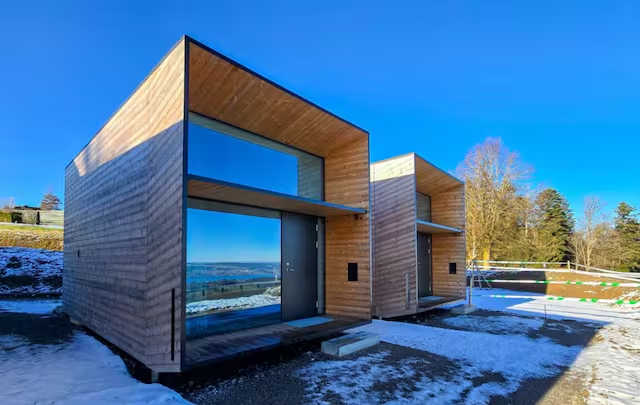
I’m still fairly new to the team, so I haven’t had the chance to work on too many projects yet. But there’s one project in Switzerland that I’m particularly excited about: we’re designing a timber hall to house battery storage for energy generated by a nearby hydropower plant.
It’s a project that brings together a lot of different pieces, structural engineering, building physics, acoustic requirements, fire safety and, of course, the logistics of housing large battery systems.
One of the interesting challenges is making sure the batteries remain accessible if individual units need to be replaced in the future. We’re currently exploring ideas like removable wall elements that would provide direct access to the battery containers when needed.
Battery containers like these are often simply placed outdoors, but because of the project’s location, the client wants to house them inside a hall to reduce their visual impact on the surrounding area.
Finding a solution that brings all of these requirements together, while using timber as the primary structural material, makes this a really interesting project to be part of.
“At first, timber might not seem like the obvious material choice for a building containing large battery systems, particularly when you consider the fire safety requirements. But through close collaboration between the different disciplines, we can develop and verify a solution that makes it work.”

What’s something about engineering in Switzerland that might surprise our colleagues or clients elsewhere?
I think one of the things that stands out is the amount of freedom engineers have to explore different solutions. The Swiss codes and regulations, including the SIA standards, provide a clear framework, but there’s still plenty of room for engineering judgement and innovation, as long as we can demonstrate that a solution is safe and feasible.
Engineers are expected to understand the principles behind the standards and take responsibility for the solutions they develop, rather than simply following a prescriptive code.
The battery storage project is a good example. At first, timber might not seem like the obvious material choice for a building containing large battery systems, particularly when you consider the fire safety requirements. But through close collaboration between the different disciplines, we can develop and verify a solution that makes it work.
I really appreciate that engineering here allows room for this kind of innovation and collaboration, while still giving us a clear framework to work within.
What are you currently curious about or learning more about, inside or outside the world of engineering?
I’m quite curious by nature, so it changes all the time. At the moment, professionally I’m particularly interested in timber and hybrid construction and how digital tools can support the design process. Outside engineering, I enjoy learning about architecture and how the structural concept can become part of the character of a building rather than something that is hidden away.
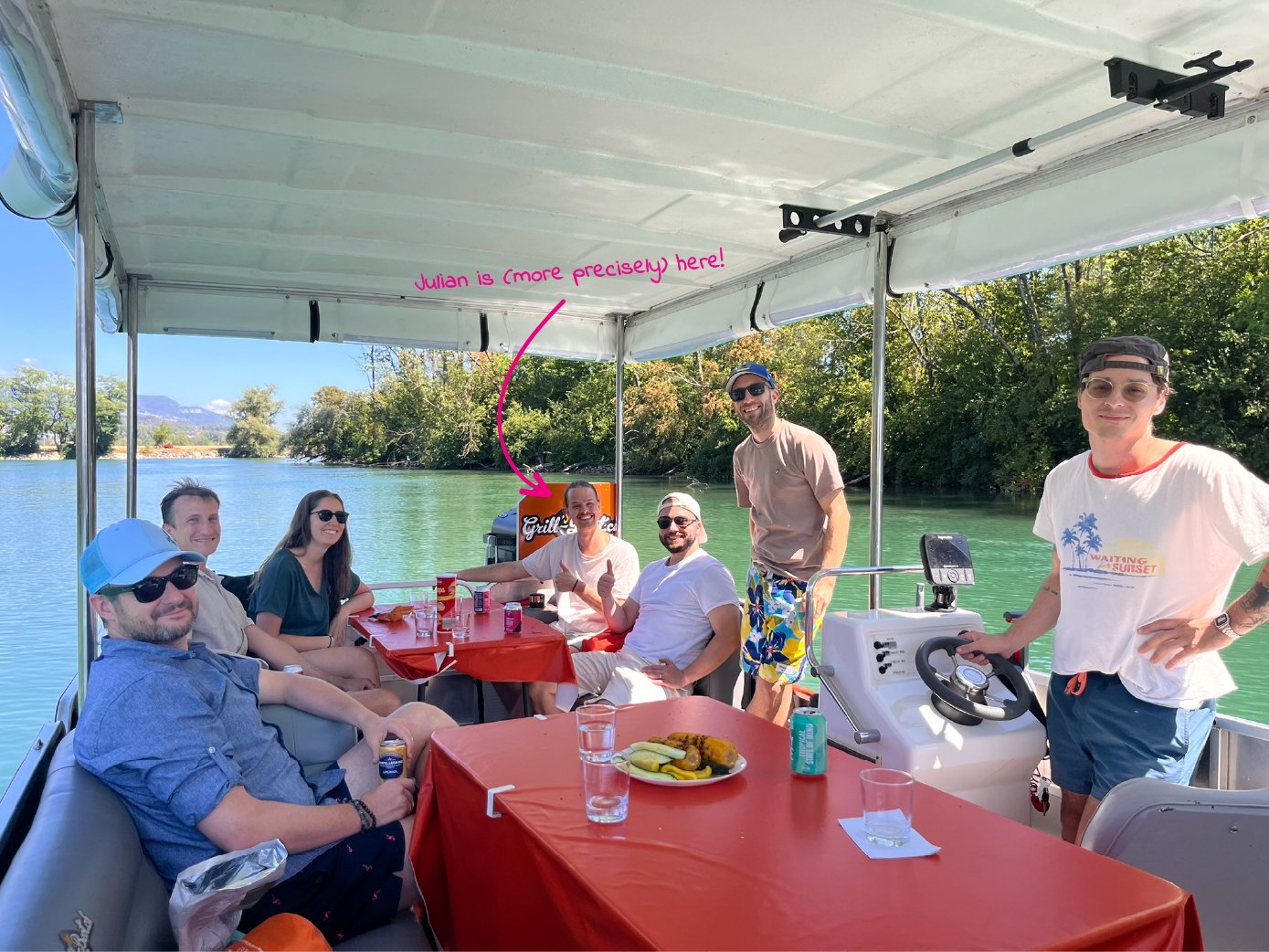
Thanks for the catch-up, Julian and welcome to the ASPECT team!
more news

Fresh Press: ASPECT featured on Woodworking Network for Modular Timber Housing System project
ASPECT is part of the team behind the Modular Timber Housing system, led by Perkins&Wil, an initiative dedicated to advancing modular and mass timber housing solutions across Canada. In this piece, Woodworking Network breaks down the research findings and the potential impacts of integrating modular planning, off-site manufacturing, and mass timber construction.

BehindTheBuild: When the Building Won’t Stack
At ASPECT, we spend a lot of time in the space between design intent and real-world constraints, helping our clients figure out how to move a project forward without compromising what matters. It’s also something we look for in the people we bring into the business.
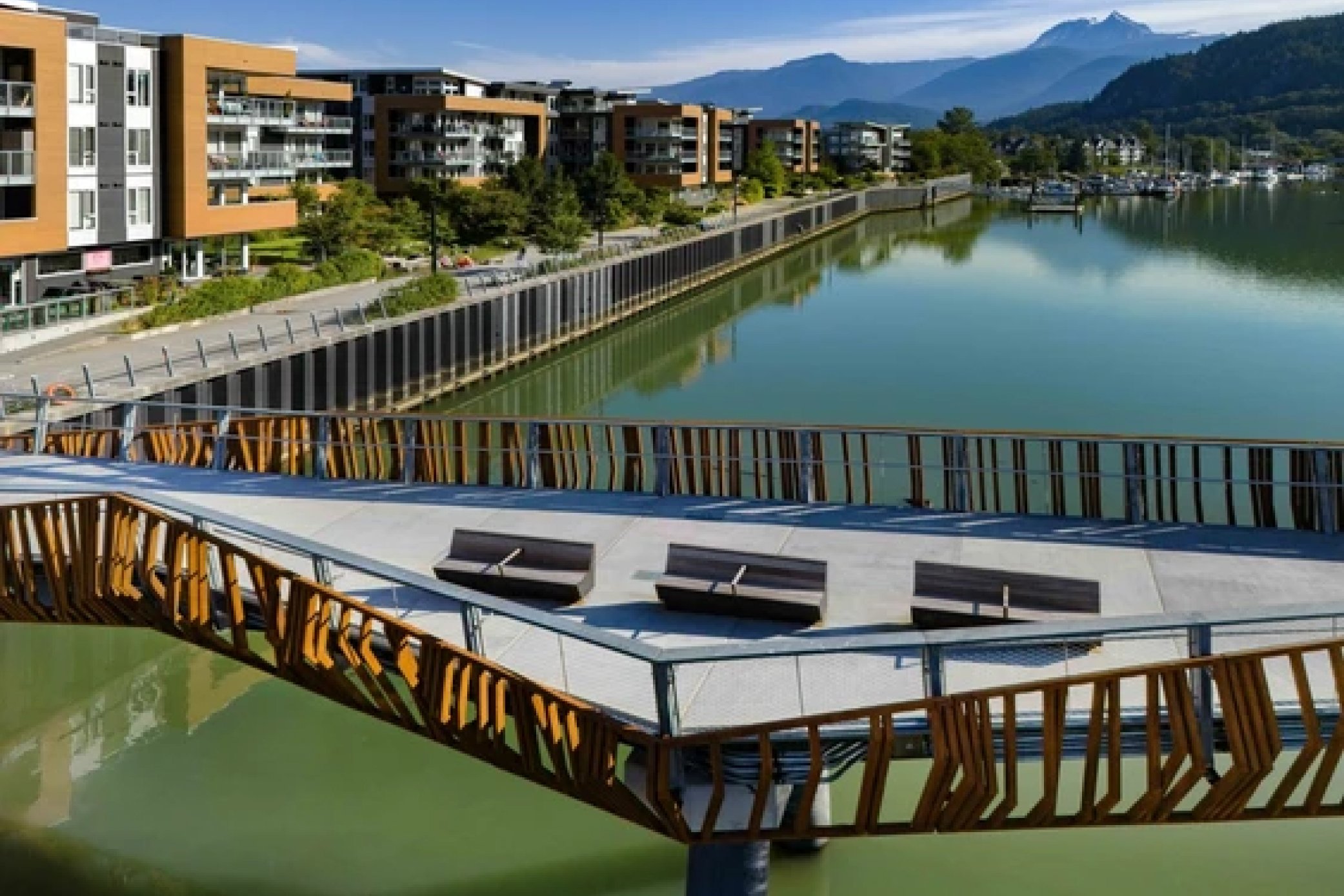
Fresh Press: Squamish Pedestrian Bridge featured in Vancouver Sun
Squamish Pedestrian Bridge, designed by RSAAW and engineered by ASPECT was recently featured in the Vancouver Sun. The article by Rebecca Keillor, details the evolution of this project and important piece of Squamish infrastructure.